


Should I breastfeed if I have a bipolar disorder?

This is such a good question- "Should I breastfeed if I have a bipolar disorder?", and it opens up a broader discussion about the complexities surrounding parenting choices, particularly when it comes to breastfeeding. At the heart of this issue lies the delicate balance between your personal values and your level of risk aversion. It's important to recognize that there is no definitive right or wrong answer in this situation; rather, it is a deeply personal decision that varies from one individual to another based on their circumstances, beliefs, and feelings.
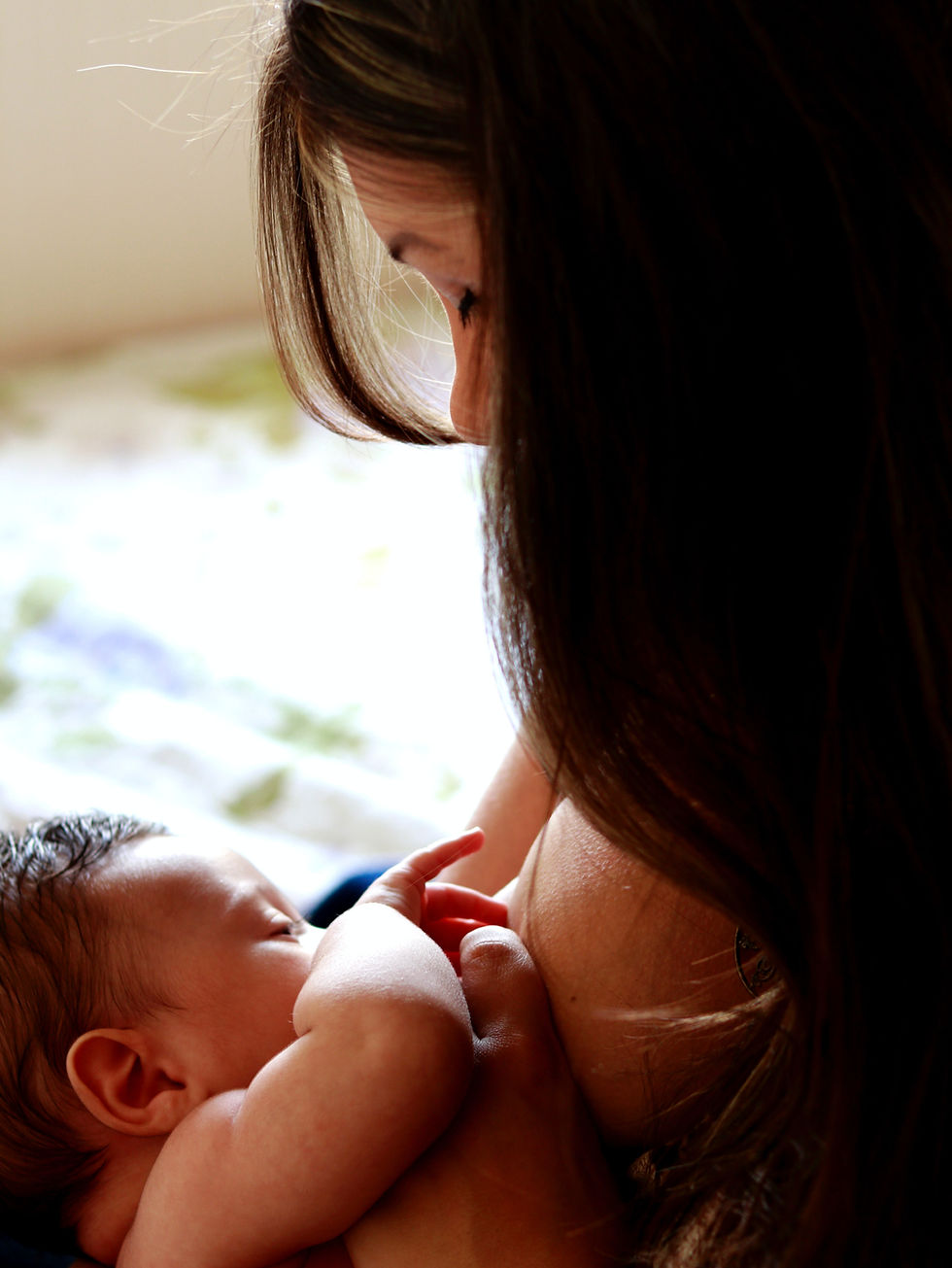
When we talk about values, we must consider what breastfeeding represents to many parents. For some, it embodies a commitment to nurturing and providing the best possible start for their child, aligning with beliefs about natural parenting and the benefits of breast milk for infant health. On the other hand, for those who are more risk-averse, the thought of breastfeeding may come with concerns about potential challenges, such as difficulties with latching, physical discomfort, or the emotional strain that can accompany the breastfeeding journey. Personally, I identify as risk-averse, which influences my inclination to lean towards not breastfeeding, as I weigh the possible stress and complications against the perceived benefits.
Interestingly, I have experience with breastfeeding, having breastfed a baby for over a year. However, reflecting on that experience, I realize that if I were to have another child, I would likely choose not to breastfeed for such an extended period again. This feeling stems from the understanding that while breastfeeding can be a rewarding experience, it can also be demanding and may not suit every parent’s lifestyle or emotional well-being. If breastfeeding holds significant importance for you, and you find yourself feeling a sense of sadness at the thought of not at least attempting it, I wholeheartedly encourage you to give it a try. Engaging in the process can provide valuable insights and experiences, regardless of the outcome.
It's essential, however, to approach this journey with kindness towards yourself. If you find that breastfeeding is not working out as you had hoped, remember that it is completely acceptable to step back and reassess your choices. Ultimately, the well-being of both the mother and the child is paramount. A happy and healthy mom often translates to a happy and healthy baby, which is a crucial factor to keep in mind. Parenting is an evolving journey, and nothing is set in stone. You have the power to change your mind and adapt your approach as needed. Embrace the fluidity of this experience, and know that it is okay to prioritize your own mental and emotional health as you navigate the choices that come with parenting.
Like, Share, Follow and Subscribe for more original content by Tally Reproductive Psychiatrist, Jamie Lee Sorenson, MD on Women’s Mental Health and the Bendy Boy Mom life.
Taking new patients in FL, GA, CO, and TN. All patients 12 years and older are welcome.
Disclaimer: Posts are for education and entertainment only. No medical advice given. This information is for general knowledge and not meant to diagnose or treat any conditions.


Comments